


Energy-Efficient Lighting
- 1 day ago
- 3 min read
Smart Illumination for a Sustainable Future 💡🌍
As energy costs continue to rise and sustainability becomes increasingly important, businesses, industries, and homeowners are shifting toward smarter lighting solutions. Energy-efficient lighting is designed to provide maximum brightness while consuming minimal electricity, helping reduce operational costs and environmental impact.
Modern lighting is no longer just about illumination. It is about efficiency, durability, and intelligent energy management.
What is Energy-Efficient Lighting?
Energy-efficient lighting refers to lighting systems that use less electricity to produce the same or even better illumination compared to traditional lighting technologies.
Among all modern solutions, LED lighting has become the most popular and effective energy-efficient option due to its:
Low power consumption
Long lifespan
High brightness output
Minimal maintenance requirements
Energy-efficient lighting is widely used in:
Homes
Offices
Commercial buildings
Industries
Streets & highways
Warehouses
Outdoor spaces
Why Energy Efficiency Matters
Traditional lighting systems waste a large amount of electricity as heat. Energy-efficient lighting minimizes this waste and converts more power directly into illumination.
It is like replacing a steam engine with a precision electric motor ⚡✨
Benefits Include:
Lower electricity bills
Reduced carbon emissions
Longer operational life
Less maintenance cost
Better lighting quality
Sustainable energy usage
Features of Energy-Efficient Lighting
1. Low Power Consumption
Consumes significantly less electricity while delivering powerful brightness.
2. Long Lifespan
Modern LED lighting systems can operate for years with minimal maintenance.
3. High Brightness Output
Provides clear and uniform illumination for improved visibility.
4. Eco-Friendly Operation
Helps reduce environmental impact through lower energy use.
5. Low Heat Generation
Efficient lighting systems produce less heat compared to conventional lights.
6. Instant Illumination
Provides immediate brightness without warm-up delays.
Advantages of Energy-Efficient Lighting
Feature | Advantage |
Reduced Energy Usage | Lower electricity expenses |
Longer Product Life | Reduced replacement costs |
Improved Efficiency | Better lighting performance |
Eco-Friendly Technology | Lower environmental impact |
Low Maintenance | Fewer servicing requirements |
Smart Compatibility | Supports automation systems |
Types of Energy-Efficient Lighting
LED Bulbs
Ideal for residential and office applications.
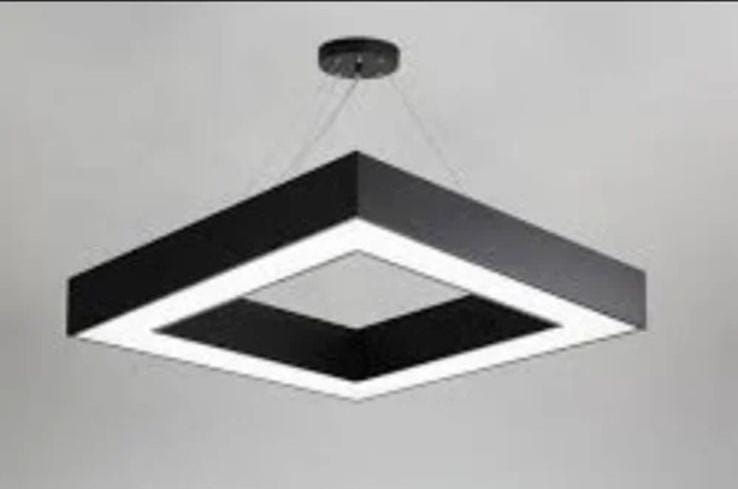
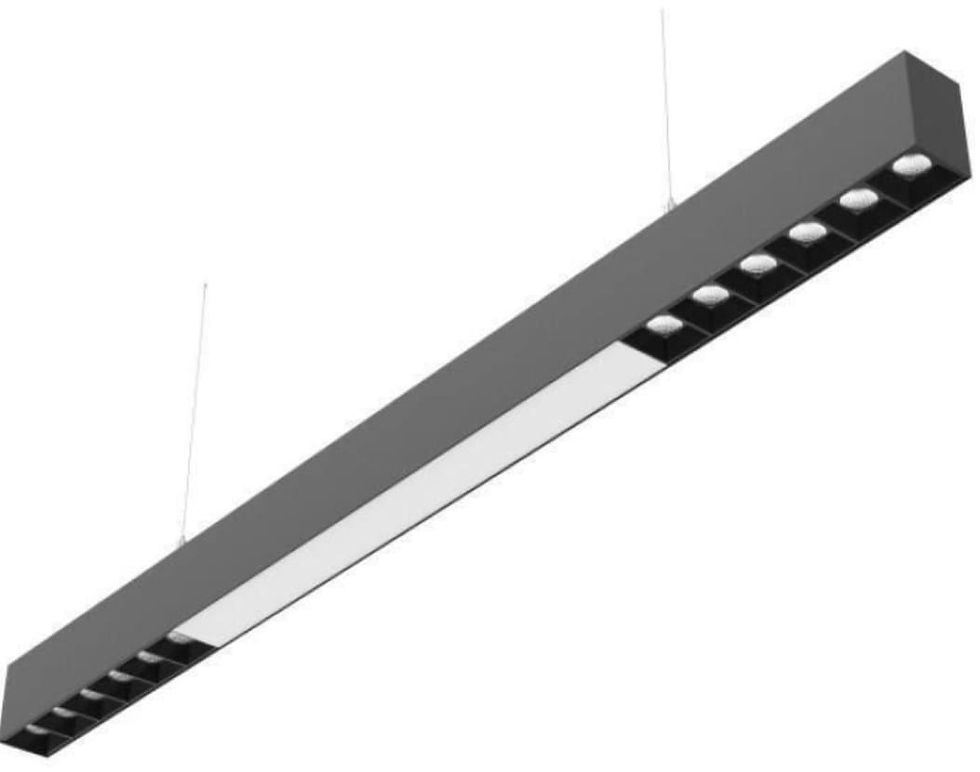
LED Panel Lights
Used in commercial buildings and workplaces.
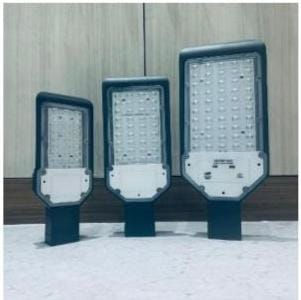
LED Street Lights
Designed for roads, highways, and outdoor infrastructure.
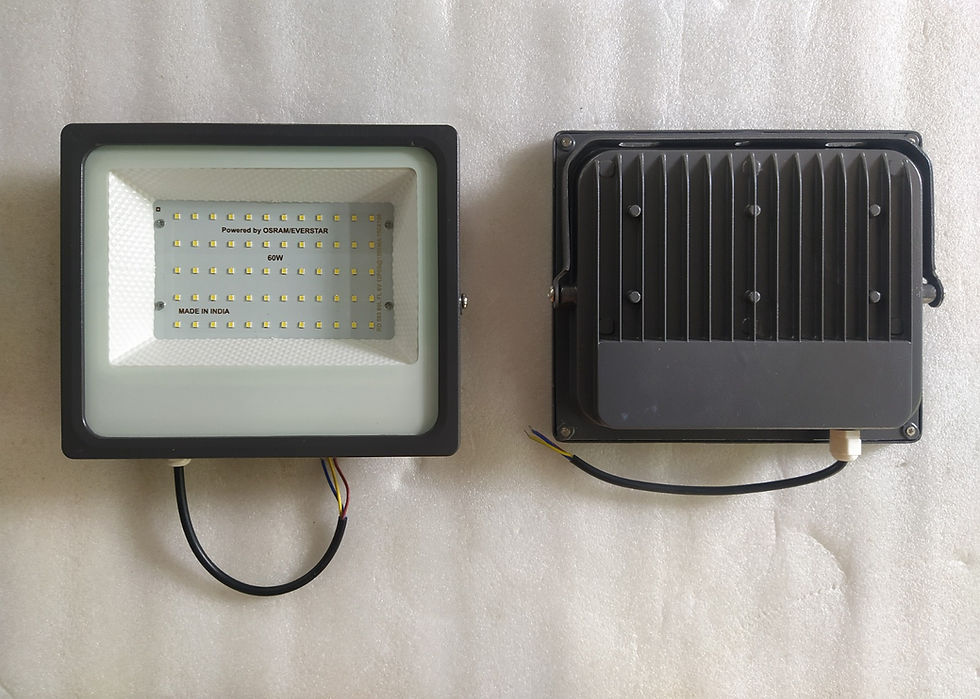
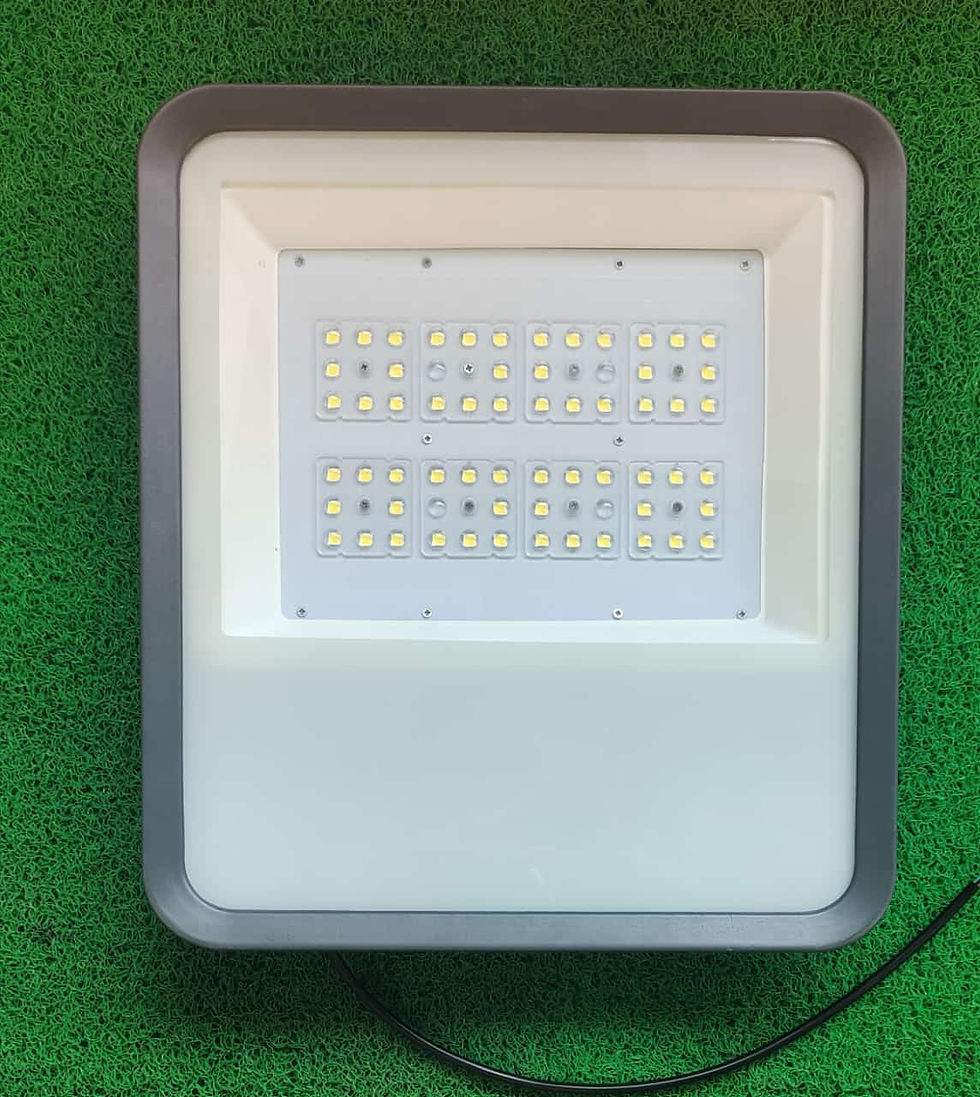
LED Flood Lights
Suitable for industrial areas and outdoor security lighting.
Solar LED Lights
Combine renewable energy with efficient lighting technology.
Smart LED Systems
Integrated with automation and motion sensors for optimized energy management.
Applications
Energy-efficient lighting solutions are widely used in:
Residential buildings
Offices & commercial spaces
Factories & warehouses
Shopping malls
Hospitals & schools
Public infrastructure
Parking areas
Outdoor landscapes
Industrial facilities
Sustainability & Smart Infrastructure
Energy-efficient lighting plays a major role in sustainable development and smart city infrastructure. By reducing electricity consumption and maintenance requirements, these systems help organizations achieve both environmental and financial goals.
Many modern lighting systems now integrate with:
Motion sensors
Smart controls
Automated dimming
Solar energy systems
IoT-based energy management
This creates lighting networks that are intelligent, adaptive, and highly efficient.
Why LED is the Best Energy-Efficient Solution
LED technology has revolutionized modern lighting because it offers:
Higher efficiency
Longer lifespan
Better durability
Reduced heat emission
Excellent brightness quality
Compared to traditional incandescent or fluorescent lights, LEDs can save a substantial amount of energy while delivering superior performance.
Conclusion
Energy-efficient lighting is an essential part of modern homes, businesses, industries, and public infrastructure. With lower energy consumption, longer lifespan, and improved illumination quality, these lighting solutions provide both economic and environmental benefits.
As the world moves toward smarter and greener technologies, energy-efficient lighting continues to shine as one of the most practical and sustainable innovations for the future 🌱💡


Comments